24 New Social Articles on Business 2 Community |

- Social Business’s Hidden Potential in Financial Services and Other Regulated Businesses
- Social Media Marketing: Don’t be a One-Hit Wonder
- YouTube Updates Creator Playbook and Creator Hub
- 13 Indispensable Plugins for the WordPress Developer Toolkit
- 7 ‘Jedi’ Hacks To Improve Search Engine Rankings of Your Websites
- Three Actions to Take if Having Too Many Facebook Friends is Causing You Stress
- What is Search Engine Optimisation (SEO)?
- 13 Statistically-Proven Ways to Look Like a Moron on Twitter
- 3 Basic Ways to Use Your Style and Spread the Word
- 4 Social Media Ideas From the North Pole
- 5 Social Media Etiquette Rules Emily Post Would Approve of
- Social Media Profiles – Company or Personal?
- Dogpile On Social Media
- Use Social Media to Support Your Local Business
- I Like My News Like My Water: Unflavored
- Top 10 Small Business Blogging Mistakes to Avoid in 2013
- Social Media is Breaking Me of My Email Habits
- Twitter Hashtag 101: Twitter Hashtag, Hash Brown Same Thing, Right?
- Anonymously Engaging In Social Media Is Bad Practice. In Real Life, It’s Creepy.
- 5 Social Media Publishing Lessons Brands Learned This Year
- Are You Stroking Your Facebook Fan’s VIP’ness?
- How LinkedIn Company Pages Work Like Magic for B2B Marketers
- Five Gadgets Infographics for Real Geeks
- Social Media Statistics 2012 (Infographic)
| Social Business’s Hidden Potential in Financial Services and Other Regulated Businesses Posted: 03 Dec 2012 03:35 PM PST I am currently leading "Financial Services Social Business Adoption 2013," a research engagement in which my firm is assessing The Regulatory Factor When digging for hidden potential, it's often useful to reexamine assumptions and definitions, so let's consider some of the key elements of regulated businesses:
Assumptions about Social Business Assumption1: Product Focused It is understandable that most CMOs lump social business/social media with websites under "digital," but it carries false lessons. The most pernicious lesson is that the purpose of communication is to explain products and services, so prospects understand them better and decide to buy. Regulated businesses talk about themselves online. Assumption2: Social Media Is Out of Control Given their conservative DNA, practitioners of regulated businesses are naturally aghast at social media, which many perceive as glib, fast-moving and out of control. Most have had very limited experience with social technologies. Assumption3: Social Business Is Promotional The firm's/brand's main purpose when their CMOs think about social business is to promote the firm, principals, and products. Assumption4: Privacy Prevents Interaction Discretion is core to regulated businesses. Safeguarding the details of clients' identities and activities is critical, so practitioners believe that spontaneous online interactions are very risky. Firms' Track Record with Disruptive Technologies I have led the adoption of disruptive technologies and behaviors by regulated businesses over the years, so I appreciate why practitioners shrink from new technologies until they have been proven out by businesses and industries they consider relevant. However, one outstanding fact is that all regulated businesses do end up adopting. Take advertising and websites as examples. How many significant firms and brands do you know that abstain from either or both? Did regulators change the rules? In most cases they did not. Adoption was possible earlier, but firms did not understand the disruptions well enough to understand how they could use them. Social Business Adoption You have undoubtedly anticipated that the assumptions about social business are all false; although the second one is Product focused Although firms can use social technologies however they want, in most cases using social business to promote is leaving money on the table. Promotion led mass communications are losing impact across the board in general because most people have tired of the half-truths and self focus firms show when they promote. Firms and brands that want to realize the highest returns on social business focus their interactions on the people they care about the most ("stakeholders"). Not only that, but to maximize relevance, firms need to focus on the motivations that are driving stakeholders' use of products and services. The reality is few stakeholders like financial services, professional services, or healthcare. They use them only as means to an end that has personal meaning to them. This last point is crucial to understand. Most firms are so focused on themselves that they have a hard time seeing outside the product or service. This is understandable because, before social technologies digitized the social aspect of being human, there was no practical, affordable way to understand individuals' personal motivations. Now there is, and that's where firms need to go. Out of Control Depending on your physical size and training, in any crowd of people, a large portion of them could attack you and put you in the hospital. This is literally true, but how often does it happen? Social technologies are literally not controlled in most places and very difficult to control even when governments try. In practice, social norms are the primary means of influence and control. People fear social, and in some cases legal, consequences if they attack others, so few do even though they could. In addition, the way individuals and firms conduct themselves socially significantly influences their likelihood of being attacked. Finally, unlike the physical crowd, firms need not be present to be attacked online; in many cases, by being absent they increase the chance of attack and the degree of social consequences. Social Business Is Service As social creatures, we cannot resist sincere caring and service from other people. Social business changes firms' relationships with their stakeholders whether they choose to be aware of it or not. Social technologies make it economical to listen to stakeholders and care for them in full view of other stakeholders. As detailed under "Network Communications Dynamics" in "How Brands Fail: They Treat Social Business as Mass Communication," networks make it economical to serve few people because you serve all people by example. Moreover, when firms interact correctly, stakeholders are driving most of the interactions, which increases relevance and credibility. Serving others in transparent digital social venues will displace most mass communications, which are far more impersonal and therefore ignored. In social business, stakeholders share their situations, goals, and aspirations with other stakeholders and firms can be in the room, too. By serving others, firms can inspire the whole crowd. Listening, reflecting, and caring will build reputations and brands faster than any marketing campaign ever did. Privacy Can Be Disclosed As long as stakeholders are in control of how and when information about them is revealed, the firm remains within privacy limitations. People have shown repeatedly that they will disclose private details about themselves when they see a benefit of doing it. Firms need to follow stakeholders' lead. Yes, this requires training and guidelines, but it can be done. Social Business for Relationship Serving people is focused on stakeholders, not the firm or its products or services. Note that this shift in focus drastically reduces potential regulatory problems because the firm is not talking about itself. It is responding to stakeholders who are more interested in how to live better. Products and services are only tools to live better. Most people expect firms and brands to strive to maximize profit and not care about people very much, so firms will have to overcome this skepticism which is the 20th century status quo. It is also firms' opportunity to inspire. By listening, reflecting, and serving people consistently, firms can distinguish themselves very quickly. Firms that make commitments and follow through in public will rapidly improve their reputations. The network effect enables individuals and firms to interact directly with few people but exhibit their behavior to all because an average of 90% of people observes without interacting. They believe that, had they asked the question, the firm would have served them, too, when they see it serving other people consistently. The firm improves its relationship with everyone by association. Finally, as noted above, confidence is central to regulated businesses. Increasing trust and developing relationships in social venues enable people to have more confidence in your firm. Whom do you think they will call?   |
| Social Media Marketing: Don’t be a One-Hit Wonder Posted: 03 Dec 2012 02:30 PM PST Picture the scene: your marketing team has come up with a fantastic idea for a social media campaign. Perhaps you're going to invite fans to send in their pictures of something, accompanied by a dedicated hashtag? Or you might decide to invite consumers to like your page on Facebook, to be in with the chance of winning something? Whatever it is, you're probably sure it's going to be a raving success… and it is! You've gained lots of new followers, lots of likes and shares on Facebook – not to mention being added to lots of circles on Google+. So, now what – the hard work is done, right? Wrong! It's only the beginning Don't be a one-hit wonder. Sure, it's fantastic that you've made such a mark on social media; however what really matters is how you follow it up. Social media marketing is something that requires an ongoing commitment. What happens to all those followers and fans you've gained? The worst thing you could do is leave them hanging; wondering what happened to that dynamic, interesting brand that caught their eye. The key now is working out how to keep your newfound audience engaged. Unfortunately, few brands can afford to launch new competitions each week or month, so you'll have to rely on something else – content and cracking customer service. Make it a valuable experience Consumers don't have to follow you on Twitter or like you on Facebook… and if you don't give them a reason to, they simply won't. Be sure to offer relevant, valuable content that is of interest to your target audience. Keep it varied, too – you can use anything from blogs, news articles and videos to podcasts, webinars or infographics. The key is keeping it exciting and stimulating – which means creating content that speaks to your followers' individual needs. Hello, is it me you're looking for?
What's more, it's crucial to talk to your followers and fans. No, not via the telephone, Lionel Ritchie style… respond to their comments on Twitter, Facebook, Google+ and any other networks you're using. If they ask you a question, do your best to answer it – or point them in the direction of someone who can. If they have a complaint, deal with it efficiently and without argument. You may not agree with what they've said, but the worst thing you can do is ignore their comment, as they'll only get angrier – something your other followers will pick up on. Yes, you'll inevitably need to launch other big campaigns in the future – be it on a monthly, bi-monthly or quarterly basis – but you may find that it's actually what you do on social media during the months you aren't actively campaigning that really matters.   |
| YouTube Updates Creator Playbook and Creator Hub Posted: 03 Dec 2012 02:25 PM PST Last week, YouTube released a major update to its "Creator Playbook," the comprehensive compilation of tips, best practices, and strategies for creating digital videos and growing an audience. It's the first major update since the second edition came out in February 2012, and is part of the all-new Creator Hub—an online community for serious YouTube creators. So what's new? Well, a lot about YouTube has changed since February, with the major difference being YouTube's focus on watch time over view count. In the past, YouTube was designed to drive views to videos, and rewarded those that attracted the most clicks. This is why videos with cleavage thumbnails tended to appear at the top of suggested videos. Now, YouTube tracks how much of the video gets viewed, and ranks videos that people actually watch over ones that people open and quickly abandon. This allows YouTube to better drown out boring, spammy, and misleading videos. "If viewers are watching more YouTube, it signals to us that they're happier with the content they've found," writes the YouTube Creator blog. "It means that creators are attracting more engaged audiences. It also opens up more opportunities to generate revenue for our partners." The new version of the Playbook addresses this difference and shows creators how to create videos that will capture an audience's attention and help the videos rank higher. There are also new sections covering paid promotion, Google+ Hangouts, and InVideo programming, a feature that allows a creator to reinforce channel branding by featuring a video across his or her entire library. In addition to all the new content, the Playbook also got a big makeover. While it is still available as a PDF download, it is also a dynamic website. This allows for new features that aren't possible in PDFs, such as video demonstrations and tutorials. It's also a lot easier to browse and find the information you're looking for. The website version of the Playbook is just one part of the new Creator Hub. There is also the Creator blog, where the YouTube team shares the latest news, awards, and data insights. Users can log into the Hub to get instant updates, connect with other creators via social media, and subscribe to the bi-weekly bulletin. The Hub also features opportunities to join programs like Next Creator, and has information about the new YouTube production studios in Los Angeles and London. If you're any sort of video creator, you definitely don't want to miss out on all of this new data. The information can be invaluable for optimizing your videos and expanding your audience.   |
| 13 Indispensable Plugins for the WordPress Developer Toolkit Posted: 03 Dec 2012 01:35 PM PST According to data reported in 2011 by W3Techs, WordPress is used by 55.0% of all websites with a known content management system. This represents 17.3% of all websites. Yoast.com reports that 72.4 million websites are built on WordPress. Besides it's SEO-friendliness and relative ease of use, perhaps the most alluring quality of WordPress as a CMS is the multitude of available plugins that can customize a website and add dynamic functionality. Here are a few plugins that can help fill in any functionality gaps and improve the overall performance of your WordPress website. Akismet is a spam comment filter. It's likely that you already have it installed on your WordPress site, but not activated. Akismet will not function without an API key, for which you'll have to pay at least $5 a month. It's well worth it, though. Note: keys are free for personal blogs. CMS Tree Page View gives you a hierarchical look at your page structure for an at-a-glance look at parent/child pages. The standard text widget allows plain-text and HTML, whereas the Enhanced Text Widget accepts CSS, JavaScript, Flash, and/or PHP. This can come in handy when trying to display certain social sharing widgets and analytics tracking code. Fancier Author Box allows you to place an author bio with social links at the bottom of each blog post. The paid upgrade to Fanciest Author Box adds additional functionality and customization that is well worth it. With one click, this plugin will generate an XML sitemap at www.domain.com/sitemap.xml that you can submit via Google Webmaster Tools. It also comes with a variety of customization options. HTML Page Sitemap will generate an HTML sitemap in the form of a WordPress shortcode that you can place on a blank page to display a simple sitemap. You can see the results here: http://www.slingshotseo.com/sitemap/ This plugin adds a simple form that will let you redirect one page to another. This is perfect for those using Google Webmaster Tools who have multiple crawl errors. Simply place the broken link in the "Request" field and the live page in the "Destination" field. Easy! Social Metrics shows how your various blog posts are performing on social networks. The dashboard shows your content in rows and their social shares in columns. upPrev is one of my personal favorites. The plugin adds a customizable flyout to blog posts to promote a similar article on your site in the hopes of keeping a website visitor reading. For those managing a blog that publishes multiple times a day/week and schedules posts in advance, this editorial calendar is a must. Not only can you see upcoming posts in a calendar view, but you can drag and drop posts to alter their scheduled release date. This plugin adds a small option box to each page and post that will enable you to noindex, nofollow content. This is perfect for "Thank You" confirmation pages and other content that you don't want indexed. WordPress SEO by Yoast is the premiere SEO plugin around. It will actually grade the effectiveness of your posts as you add content and meta data, which effectively makes it a dedicated on-page SEO consultant. WordPress SEO boasts many technical features, like Facebook Open Graph meta, Twitter cards and Google Webmaster Tools verification. Perhaps the most valuable feature of the plugin is its authorship capability. WordPress SEO adds a Google+ field to all User Profiles, enabling you to easily add a rel="author" tag to all posts. You can even designate a business Google+ page for the rel="publisher" tag. If you're just getting started with a Google Analytics account, this plugin allows you to quickly install GA tracking code throughout your site. Simply fill in your UA code and Ultimate GA will handle the rest. What are some of your favorite WordPress plugins? Did I miss any that you can't live without? Let me know in the comments section below.   |
| 7 ‘Jedi’ Hacks To Improve Search Engine Rankings of Your Websites Posted: 03 Dec 2012 01:03 PM PST Want to Learn SEO?Discover How to Improve the Search Engine Rankings of your Websites even if you’re not a ‘Jedi’.Search Engine Optimization is important if you want to have a good source of leads coming from Google, Yahoo and Bing. If you have a website for your small business, landscaping company or home improvement company, you can definitely benefit from a well-planned internet marketing strategy. And a big part of that strategy is getting found in the search engines for your chosen terms and keywords. These 7 ‘Jedi’ Tricks might be a bit technical for most people, but they are invaluable to your online success. You can definitely start using some of the tricks I’ve mentioned but if you needed more professional help, all you need to do is ask. 1. Create Content that your target readers would love. (While focusing on Best SEO practices when writing content)If you’re selling mulches or soil, talk about the benefits of using a specific type of soil or mulch. Instead of writing about how many hours it took you to create the soil mix, tell them why this specific product would save them time and money. But while writing content, you’ll also need to incorporate the “most” common terms and phrases that are found in the Top 10 results. This will help the search engines rank your website faster than most websites. You can use tools like the Ultimate keyword tool to find these synonyms and sprinkle them when writing your article. You can also use Google Keyword tool and it will show you related terms and phrases that you can use. 2. Use Video on your Website, Embed PDF files and ImagesYoutube is currently the 2nd largest search engine. And there has been numerous case studies on how video improve site engagement. You can also build embed PDF files using GoogleDocs or other sharing site like Slideshare.com and Docstoc.com 3. Build your Social ProfilesGoogle might be the 800lb Gorilla of traffic but it’s not the only source of traffic. And because of this, Google is starting to look at social signals for ranking websites. Probably the most important social profile to start building right now would be your Google+ profile. Connecting your Website and Google+ profile can increase the clicks to your site because a small profile image is shown in the search results. It’s Google’s own social network. If you want to benefit from long-term, free search engine traffic, now’s the time to create your Personal Google+ profile. Make sure you have also accounts created in the 3 biggest Social Networks: If you are interested in registering your brand name/company name across all known social profiles you can visit knowem.com to check if your brand url is still available. (Highly recommended) 4. Spy on your Competitor’s SEO and PPC Strategy.Do you want to know if a competitor is doing pretty well in SEO and PPC? Do you want to know what keywords they are ranking for? Do you want to know their most successful ads in PPC? You can ‘easily’ spy on your competitor’s backlinks, keywords, ppc ads by using subscription tools like Keywordspy and Spyfu. For checking backlinks and top 10 competitors, you can use Market Samurai. 5. Use Google Webmaster Tools.If you’re not using Google webmaster tools, you should. It’s actually simple to implement and use. All you need to do is have a working gmail (use the same gmail for analytics, adwords, etc), install Google analytics (asynchronous) tracking in your website, then verify your Google webmaster account by adding your site. Here are some of the benefits of using it:
6. Promote your website.After creating great content, you still need to promote it. The best way is to leverage your existing source of traffic.
7. Monitor your Website’s rankings.You can’t improve what you can’t measure. Fortunately, there are many ways to track if your rankings are improving or not. You can use the Rank tracker module of market samurai to track all the rankings for your websites. Simply enter your domain and keywords then Market samurai will track the rankings in the ‘cloud’. Getting top rankings in the search results can provide you with a generous amount of leads just like what ours client experienced in 2012. Are you going to be our next Success story?We’ll guide you step-by-step on how you can boost your business sales online. Simply click the button and download our “Essential Guide” to start learning how you can capture better sales leads online.
This article on “how to improve search engine rankings” was originally posted in our internet marketing blog.   |
| Three Actions to Take if Having Too Many Facebook Friends is Causing You Stress Posted: 03 Dec 2012 11:30 AM PST How many friends do you have on Facebook? Did you know that users joining the week Facebook hit 50 million users (October 2007) now have an average number of 321 friends (download the report from Facebook here). But having lots of friends on Facebook may not be good for your health. According to a new report, the more social circles a person is linked to online the more likely social media will be a source of stress. A report from the University of Edinburgh Business School has found that the more groups of people in someone's Facebook friends, the greater potential to cause offence. In particular, adding employers or parents resulted in the greatest increase in anxiety. Stress arises when a user presents a version of themself on Facebook that is unacceptable to some of their online 'friends', such as posts displaying behaviour such as swearing, recklessness, drinking and smoking. The press release about the report comments: "As older people join the site, this has become an increasing problem as their expectations may be very different from those of younger users. Some 55 per cent of parents follow their children on Facebook. Likewise, more than half of employers claim not to have hired someone based on their Facebook page." Researchers found that on average people are Facebook friends with seven different social circles including: - friends known offline (97 per cent added them as friends online) - extended family (81 per cent) - siblings (80 per cent) - friends of friends (69 per cent) - and colleagues (65 per cent). The report also discovered that more people are Facebook friends with their former partners than with their current relationship partner. Only 56 per cent of users were friends with their boyfriend, girlfriend or spouse online, compared with 64 per cent of exes. The report surveyed more than 300 people on Facebook, mostly students, with an average age of 21. It also discovered that only one third use the listing privacy setting on their Facebook profile, which can be used to control the information seen by different types of friends. It would be interesting to learn how this data would differ based on different demographic profiles. Have more friends on Facebook caused you stress? The stress I experience through social media is usually caused by due to trying to keep up with all the interesting posts and being worried I may miss something important! Three Practical Actions To Take If Having Too Many Facebook Friends Is Causing You StressPerhaps it is time to do the following – though of course you could always delete your Facebook account which I find some people are doing often related to privacy reasons rather than being 'stressed': 1. Review your Facebook friends and decide if they need 'pruning'. You can always encourage people to subscribe to your public updates using the Facebook subscribe button – some well known people have been known to delete all their friends and start over building their community of friends on their Facebook profile 2. Update your privacy settings on Facebook. Be are clear what updates you post are shared to the people you want to see your content – you can create lists of Friends to help you manage your contacts 3. Hide updates in your Newsfeed if they don't add value to you i.e. you are not interested in seeing the updates. If you do not want to delete someone as a friend on Facebook, take time to review your Newsfeed and hide the content from friends you prefer not to see all their posts. If you like these suggestions then why not share them on Twitter – just click here to Tweet the article. What other suggestions do you have? Please do leave a comment below with your thoughts and recommendations. By the way – how did I come across this research? As a result of a mention on BBC News an article in todays Daily Mail Newspaper in the UK of course – yes traditional media still matters! And of you are interested in how many friends can we really have then check out the research about Dunbars Number – it's less than you may think. [View the story "Dunbars Number" on Storify] Photo credit: Mijonju on Flickr   |
| What is Search Engine Optimisation (SEO)? Posted: 03 Dec 2012 11:00 AM PST If you ask the question what is search engine optimisation to a room full of seo consultants, you are likely to get multiple answers. The majority however, will respond with something along the line of: Search engine optimisation or SEO for short is the process of making a website more relevant to search engines. The desired result of SEO is to get your page to appear higher up the organic search rankings. The higher a website or a page ranks in the search engines, the greater the chances of that website being visited by users. If you look at a standard Google Search Engine Results Page, down the left-hand side of the page you will see what are known as the natural or organic listings. These are the search results that the search engine, thinks are the most relevant to the search term that you typed, in descending order of importance. These listings are free and if your website is deemed relevant and of high enough quality your business website too could appear naturally in the search results when a potential customer enters their search criteria into the search bar. Why is it Important to Rank Higher in the Search Engines?It makes sense to appear as close to the top of the organic search results as possible as statistics show that;
Imagine your website appearing at the top of the search engines for a major keyword relevant to your industry – that is the Holy Grail of SEO and why seo is so important. Through understanding and incorporating search engine optimisation strategies into your online activity, over time your business could benefit from a larger number of visitors to your website, more leads and increased profitability for your business. How does a Business Get Started with SEO?Before you jump in you need to realise that Search Engine Optimisation is a subject that is littered with misinformation, confusion and controversy – Google makes changes to their ranking algorithm nearly every day and this can result in pages moving higher or lower. If you have invested any time researching SEO then you probably already know how much of a minefield it really is. The purpose of working with an SEO Company is to help you cut through the chaos and give you a clear set of things that you and/or your web development team can do to improve your search engine rankings starting! 5 Things to Check off Before Starting an Search Engine Optimisation Campaign1 Understand where you rank right now!There is absolutely no point embarking on any SEO campaign until you understand exactly where you are right now. By that I mean:
2 Align your Search Engine Optimisation Strategy with your business goals.The main reasons that businesses engage search engine optimisation companies are to improve their online reputation and increase sales. Understand what your goal is before embarking on a SEO campaign so that you can marry the two together. 3. Choose Relevant keywordsIf internally you refer to a product or a solution as 'x' then that is fine. But that does not mean that your potential customers know it as 'x' they might call it 'y' Make sure that you are investing in optimising your website for what the client is looking for not what you think they are looking for. As a secondary note there is no point optimising for something that is not being searched on. It will be a complete waste of time and money, so do your keyword research first and know exactly where you stand. 4. Understand your ideal customerIs your product or service specifically related to men under the age of thirty or is your ideal client a forty year old housewife? There will be a big difference between the terminologies used by both audiences resulting in you ranking for something that is not relevant to the target audience. 5. Review the competitionBy understanding exactly where the competition stand with regards to their SEO strategy it can help influence how you approach yours. If for example your largest competitor ranks highly for a certain keyword this doesn't mean that this is the correct keyword to target straight away. The reason being that in order to compete you will have to do a lot of work in order to be seen as the most relevant These are by no means the only SEO tips that you have to take into consideration when optimising your website however these are a start and by sharing them with you I hope to impress upon you that search engine optimisation is not as simple as throwing up a website, sitting back and watching the traffic, leads and sales, role in.   |
| 13 Statistically-Proven Ways to Look Like a Moron on Twitter Posted: 03 Dec 2012 10:55 AM PST Worst Twitter Mistakes Ever
Have you mastered these techniques? Awesome. We’re about to apply inbound marketing analytics to uncover some mistakes that could be hurting you worse than you think: 7. Don’t Read Links Before You TweetIf someone has 100,000 followers on Twitter and says they’re a social media guru, their content must be ReTweetable, right? Wrong. There are so many reasons it’s not worth risking your reputation to tweet without reading. Imagine if some of your most important clients discovered you’d shared an article that was about something incredibly offensive–and then you had to explain you didn’t mean to, because you never read it in the first place? Ouch. Recently, HubSpot’s Social Media Scientist in-residence Dan Zarrella did a whole bunch of math on 2.7 million blog titles. Turns out, 16.12% of them had more social media shares than clicks. That means there’s more than a 1 in 10 chance you’ve Tweeted without reading in the past. For your own good, we implore you to stop. 8. Don’t Use Any PunctuationTo look really intelligent and establish a reputation as a thought leader “U SHOULD ALWAYS WRITE LIKE THIS.” Just kidding. Around 85.86% of published tweets contain some punctuation. 97.55% of ReTweets are punctuated. If you want to get shared and extend your social media reach, don’t forget the grammar. 9. Fill Up ALL 140 CharactersWhen it comes to social sharing, it turns out that using every possible character of a Tweet isn’t always a good thing. Tweets that contain 120-140 characters are statistically less likely to be shared. Why? It all goes back to the fact that many people are lazy, and they don’t want to edit your content before sharing it themselves. If they do edit and ReTweet, they could end up changing the integrity or intelligence of your words. Being too verbose on the world’s pithiest social media network just doesn’t pay off. 10. Ignore Bit.lyIf you really want to look trustworthy on Twitter, don’t use link shorteners that people have never heard of. Back in the early days of Twitter, Bit.ly was the network’s chosen link shortener. Turns out that most of us have never learned to click on anything else: That’s right, using Bit.ly increases your chances of earning ReTweets by over 9%. Who wouldn’t bet on those odds? 11. Not Shortening Links in the First PlaceFailing to shorten links is a common mistake that’s sure to result in almost no click-through traffic or ReTweets at all. 12. Be ShySometimes, just asking for what you want is incredibly effective. Twitter content that asks directly for a Retweet, usually denoted as “Please RT” or “Pls RT,” is four times more likely to be ReTweeted. What’s even more interesting is that actually spelling out “Please ReTweet” is by far the most effective. Will it look desperate if you do it every time? Probably. But once it a while it’s almost certain to help. 13. Don’t Link Your Website to TwitterYour prospects want to stop and talk a while before they make the purchase. So why are you among the 80.5% of small business owners who fail to link to their social media profiles on their website? If your prospects are interested enough to actually Google your company’s Twitter handle and make it to your profile without getting distracted, they’re not going to be impressed by your 13 followers. image credit: Plant Cell Biology   |
| 3 Basic Ways to Use Your Style and Spread the Word Posted: 03 Dec 2012 10:50 AM PST You’ve done your research, chosen your niche, and created a website. What now? Stop tinkering with the design of your website and get to work! It’s tempting to spend hours getting your site to look just the way you want it, but you’re wasting valuable time that you could be using to give your visitors what they want – a solution to their problem. This is where part of the real magic happens. Start writing content that your readers want and need from your niche. When you write, don’t be afraid to use that inner voice that will help set you apart from the hundreds of other sites that you’re competing with. Put your heart into it. Don’t worry, there’s plenty of room in any niche for your particular style. Concentrate on your style. Build a community of readers that like your style and get value from what you have to offer. Part of the process of building your community is spreading the word. How can you offer your valuable answers to readers if they can’t find you? It’s time to promote the content that you’ve poured your heart and soul into. 1. Comment on other blogs Comment on other blogs in your niche and reach some of the same people in your niche. Use your style and attract visitors from those blogs. 2. Network with blog owners Network with the blog owners of the blogs you leave comments on. You’ll build a beneficial relationship that can help both blogs succeed by promoting one another. 3. Guest post In addition to networking, guest posting on other blogs helps drive visitors to your site. This is not a get-rich-quick process. Be prepared to spend some time writing and promoting.   |
| 4 Social Media Ideas From the North Pole Posted: 03 Dec 2012 10:29 AM PST
As we enter December and the Christmas season gets into full swing, let's take a moment to imagine Santa's social media presence. What social media ideas would work for a brand like Santa Claus? How would St. Nick make the best use of social networks? Pinterest isn't the natural place for most social media strategies, but it fits with Santa. Pinterest has a number of natural advantages for Kris Kindle. The network is based totally around image and aspiration. A perfect fit for an iconic character that makes dreams come true. Apart from pinning images of pudding recipes and wide chimney designs, what would Santa's Pinterest presence look like? All marketing content on Pinterest should be based around a brand's key business. For Santa that means toys. He could create idea boards for different age groups, different interests and some classic boy and girl boards. Each of these boards could be filled with pins that link back to details on the toys. If Santa was really savvy he could create a conversion point to take users from the toy to an online wish list creation tool. He could even ask followers to create wish list boards within Pinterest, and share them with him. The best social media ideas create engagement and interaction and that would be ideal. BlogBlogs are vital to every brand. They offer the opportunity to create fresh, engaging content that can offers extra value to potential customers. The idea is to create content around the topics that your target market are already talking about. For Santa, that means toys will figure highly once again. It also means blogs around other related interests like Kids TV. Your blog content should add value for readers. It should provide a benefit outside of the normal service you provide. That value demonstrates to the reader that you are not just looking for their money. You demonstrate that you want them to be happy whether they make a purchase or not. Santa, for example, could create blogs on how to be 'nice' and ways to avoid being 'naughty'. Established b2c brands like Santa are unlikely to connect directly customers on LinkedIn. That doesn't mean there aren't a few social media ideas that would work for him on the business network. LinkedIn is the ideal place to instigate strategic partnerships. In this instance, Santa could connect with Toy producers, sleigh manufacturers and reindeer farms. Once he has established this network, he can then seek opportunities for cross promotion. He can also seek to partner with other service providers who aren't competitors but deal with the same market. Santa could partner with parents and offer assistance with improving behavior, in exchange for promotion and word of mouth. Facebook & TwitterThe first stop for most social media ideas these days are Facebook and Twitter. The world's largest social networks will naturally be a big part of any social media strategy, but they don't hold as high a position for brands like Santa. He would, of course, require a presence but both would function mainly as content sharing channels. With no real promotions to offer, and plenty of brand awareness already built, Santa's main activity here would be engagement. These channels would be used to gather data on fan activity, through interactions and direct questions. It would be an ideal, and vital, customer interaction tool, but wouldn't be a huge traffic driver. Each of these social media ideas would fit nicely with Santa's brand identity and could offer opportunities for growth. Assuming the business plan of delivering toys worldwide for free ever becomes viable. The key with any social media strategy is to look at the merits of each social channel and how they apply to your industry. Good social media ideas can benefit any business, even one that exists in a land of elves, candy canes and imagination. Get ahead of your competitors and stay there with the help of social media marketing! Download our free whitepaper ‘The Definitive Guide to B2B Social Media’.   |
| 5 Social Media Etiquette Rules Emily Post Would Approve of Posted: 03 Dec 2012 10:15 AM PST Emily Post's name is synonymous with proper etiquette and manners. I have no doubt that if she were alive today, she'd have a thing or two to say about how people behave on various social networks. So, in Emily Post style, here are five social media etiquette rules that make the social world a happier place: 1. Don't hijack threads in the name of your own agenda. Many of us have experienced or witnessed blog/social media thread hijacks before. Here's an example: A blogger posts an article recommending some great companies in a specific industry. A reader feels as if this blogger has somehow forgotten to include their company in the blog post. The reader then comments on the post, mentions that the writer must have inadvertently excluded their company from the article and proceeds to provide a laundry list of facts about why their company is so awesome. Don't do this. Not only does this make the thread hijacker look desperate, but it's also disrespectful to the companies or products that were mentioned in the post. The best thing to do is to note the author's name and contact information, and build a relationship (no stalking). Building relationships with online influencers, rather than hijacking their threads, will help raise their awareness of your company/product in a professional manner. 2. Include context if a Facebook 'friendship' is unclear. Facebook isn't like Twitter in that you can't just instantly follow someone – There are privacy concerns. On Facebook, you have to send a request, and the recipient must accept this request in order for you to become "friends." The problem, is that when someone wants to connect or network on Facebook, the tendency to send a friend request with little to zero context is common. This results in a lot requests stuck in friend request purgatory. You'll notice the request message says,"Do you know so-and-so? If you know so-and-so, send her a friend request or message her." Do both of these if it's not crystal clear how you know each other. Send a message reminding the person where you met, or why you want to connect, then send the friend request. This provides some context and increases the chance of connecting. 3. Don't use vulgar language or make threats to others with different opinions. Unfortunately, there was a ton of this behavior plastered on Social Media sites during the recent election. It's one thing to have passion for a cause, side, candidate, etc. but no amount of name-calling or threats will make someone change their mind and/or take your point of view. Crossing the line by berating others for having different views looks bad, and it's alienating. 4. Give credit where credit is due. We read and share a lot of great articles every day on our @VR4SmallBiz Twitter account. When sharing third-party articles, blog posts, etc., always try to include the Twitter handle of the person or blog that penned the article. It not only provides a proper source credit for the piece of content, but it lets the person know you shared it. This can be great for building relationships with influential people inside and outside of your industry. 5. Say thank you – It sounds simple because it is. Take the time to thank someone who comments on your post, retweets your content or shares your Facebook photo. You'd be surprised by the responses that a simple "thank you" can get. There you have it – five Social Media etiquette rules that everyone should follow. These rules not only make social networks a better place for all to enjoy, but they'd make Emily Post pretty darn proud.   |
| Social Media Profiles – Company or Personal? Posted: 03 Dec 2012 09:05 AM PST
The I watched my numbers and I was sadly disappointed in the returns I was seeing in Google Analytics. Then I finally realized what was going on. I was confused and my message was confusing. "I was not myself" – Why would anyone want to engage with me or find my information interesting. It was at this moment that I decided to have TWO Separate, Distinct profiles on social media. The reason for company profile:
The reason for personal profile:
By having two distinct profiles, I can direct my time in a more efficient manner. The company profile can post information on different sites and talk specifically about news affecting the company. In addition, by having a personal id, I have the flexibility to refer to my company and also talk to other marketing professionals. It offers so much more and you can be more in control of the audience you are speaking to. The power of two profiles has worked very nicely for me and as the number from Google Analytics show, traffic for each profile continue to grow quite nicely. photo credit: net_efekt via photopin cc   |
| Posted: 03 Dec 2012 08:57 AM PST I don’t know about you but when I was kid and was outside playing with my friends, especially in the colder months, you could always count on at least one of us yelling at the top of our lungs “Dogpile on (insert name here)!” The way the Dogpile worked was whomever was not the poor sap whose named was shouted out, would proceed to jump on top of him and work to create a tower of humanity with the unfortunate Dopile-ee at the bottom of the heap. Oh man, what great memories and great fun. Of course it wasn’t so much fun when you were the Dogpile-ee, always better to be the Dogpile-er. The reason I bring all this up is it seems it’s about that time again for many to in fact Dogpile on social media and in particular on social media marketing. The latest came from Todd Wasserman over at Mashable with his Let's Face it: Most Social Media Marketing Is a Waste of Time piece in which he writes among other things “… a lot of the buzzword-laden blather around social media marketing the past few years was itself a form of marketing for self-conferred experts looking to make a buck off scared blue-chip companies.” There’s a couple of things worth noting before I go on.
First when he uses the term “self-conferred experts” I want to scream to the highest heaven for nothing gets under my skin then those dolts who hang a shingle with words like “social media expert” on it. The other day I got a LinkedIn request from someone who represented themselves as a “Certified Social Media Consultant.” Are you kidding me? Certified? I checked out their profile then went to their site where I discovered they were a member of the International Business School for Applied Social Media. Good God, someone get me a barf bag stat. This kind of crap is what makes those of us who “get social media” absolutely crazy. Another part of Todd’s article I agree with is when he demands people stop buying their Love and Likes on social media. This is a practice I have abhorred from Day 1 and have often times been criticized in my stance. Whatever. Anyone who buys something that should be earned the old fashioned way doesn’t “get social media” and clearly never will. I do disagree with Todd when he writes that brands are not publishers. Although this gets into the content marketing side than it does social media per se, I absolutely believe brands are publishers. He references IBM saying “…one does not simply go to IBM.com and expect to see editorial content. No matter how good it is, the reader will always suspect the goal is not truth-seeking, but the promotion of IBM. That's fine, but it's really advertising, not publishing.” He’s right in that people do not go to a homepage of Brand X expecting to see editorial content. They go to a homepage of Brand X to be sold something, to learn more about Brand X and the promotion thereof. The rightful place for editorial content is a blog whose posts are then shared across yes, social media channels. See that’s the problem right there – far too many brands, companies, etc. believe their home page and their blog are one and the same. That selling something via a blog post is acceptable. It’s not! Going To Let You In On A Little Secret In September 2001 I wrote a piece entitled Social Media’s Dirty Little Secret. The basic gist of my post was that, well here, see for yourself with this excerpt: “Social media – as part of an overall integrated marketing campaign opens the door. A quality, well made, well delivered website AND product, knowledge, and expertise keeps the door open and revolving. Stay with me here. Every company knows they need a social media presence, right? Whether it’s to build brand awareness via new followers, likes, etc., or out and out sell, the bottom line is always the bottom line, right? So let’s say Company X sets up a Facebook page, a Twitter account and a blog. For the sake of argument let’s say Company X manufacturers potholders. All kinds of potholders in all styles, colors, textures, etc. Their social media accounts gets lots of followers, likes; their blog gets lots of hits and so on. But what’s this? They’re still not selling more potholders. What gives? Let’s take a look at their other marketing/advertising strategies. Hey they look pretty good. Nice print ads, clever TV spots, engaging radio and so on. Hmmm, how about their website? How does that look? Ugh. It’s the most-templated, God-awful, un-user friendly site you ever saw. But ok, we can fix that. How about their product? I’ll take one home and try it out for myself. Three hours later after coming home from the emergency room with 3rd degree burns on my hand, I’m starting to see the problem. And I think you can see where I’m going here. Social media – as part of an overall integrated marketing campaign opens the door. A quality, well made, well delivered website AND product, knowledge, and expertise keeps the door open and revolving. So to all those companies, businesses and marketers out there who think social media will cure all that ails you… I’m afraid you’re in for a rude awakening. It can surely help… in a big way. But if your product, your service, your ware… your whatever is not good to begin with, social media – or ANY advertising/marketing campaign will be able to help.” Todd pretty much says the same thing writing “The secret to good social media marketing: Make good products and offer good services.” So Is Social Media A Waste Of Time? Of course it’s not. For proof I turn to the brilliant – and I don’t say that lightly, Danny Brown whose blog is recognized as the #1 marketing blog in the world by HubSpot. This past August Danny addressed this very issue re: is social media a waste of time? “It can be. For example:
Ok, I’ve said, er written a lot here. What do you think? Do you consider social media to be a waste of time and if so, why? And be specific. Sources: Mashable, dannybrown.me, Google Images   |
| Use Social Media to Support Your Local Business Posted: 03 Dec 2012 08:40 AM PST
Local businesses often feel like social media just isn't for them. But blogging is still a good way to make money, even if you never want to make money from your blog. Small local businesses can see a huge increase in sales through blogging and other social media tactics driving customers to your physical store. Let's say you have a retail store selling children's shoes. How will customers find you online?Either they'll search for children's shoes or they'll listen to what their friends are saying on Facebook and search for your store. Of course, you can do traditional advertising, too. Searching online requires your store show up on the first page in Google (or some other search engine) because consumers rarely look beyond the first page for options and being on top of the results page has a tremendous impact on sales in your store. Strategies to get you there are called SEO (Search Engine Optimization). Generating a buzz about your store on Facebook, or other social network, requires consumers willing to talk about your brand or share your messages with their networks. We call this SMO (Social Media Optimization). Lately, these two aspects of getting your store noticed have blended because Google changed its search algorithm so it's using social media buzz as part of what determines where your business shows up in an organic search (ie. When you search for children's shoes, rather than XYZ shoe store). How you can make money blogging using SEO principlesNo one knows exactly what's in Google's algorithm but SEO experts play around with different tactics (actually experimenting and carefully monitoring results) to find out some things that have a big impact on where you show up on the results page. Here are just a few things we know help you show up higher in search:
How you can make money blogging using SMO principlesHere are some things you can do in social media that encourage consumers to create buzz about your store:
How a blog helps you make money |
| I Like My News Like My Water: Unflavored Posted: 03 Dec 2012 08:35 AM PST When I ask for a glass of water in a restaurant now it invariably comes with a wedge of lemon. When and why did this become the norm? Was this the idea of the Lemon Council? There is a Lemon Council, right? There must be as there are lobbyists for everything now. Did their sour, puckered lips sweet talk every eating and drinking establishment in country with promised tax loopholes? Or maybe its a Lemon Consortium that strong arms bars to “add a slice if theys knows what’s good for ‘em.” I’m thinking they are just taking their lead from news organizations. News organizations all flavor their news. That goes for whether whether they are online, on air, or on Death Row (the medium formally known as “Print”.) Rather than scouring the Internet looking for news I find myself scouring the news looking for unfiltered versions. Most have an overtly political bent, others focus on technology, or sensationalism. It annoys me to no end that I have to go out of my way to request water without lemon when without lemon is the way it should be served. And it’s nearly impossible finding straight news sources these days. Where do you go for your news? The point of social media news is to supply the facts while they occur without any agenda. For me, the opinions of other news readers seem to carry the most validity. I now like the sites like Reddit that rank their featured news by reader views as it saves me the time and frustration of reading through the muck. Yes Reddit, whose viewers in an interview with President Obama posed the very important question of “Would you rather fight a horse-sized duck or 100 duck-sized horses?” Make fun of Reddit as much as like — in fact it’s encouraged. It keeps the news posts and posters honest. Of course there are many sites that let you tailor your news page to your liking. But really it’s the equivalent of letting you choose which lemons you’d like in your water and how many slices you’d like to add. It is becoming increasingly difficult to discern what agenda is being pushed upon us and ever more clear that skepticism is required for nearly every news source we encounter. The point is if I want to flavor my water I shall do so myself. And I want my news like my water: fresh, in a clear glass, and unflavored.   |
| Top 10 Small Business Blogging Mistakes to Avoid in 2013 Posted: 03 Dec 2012 06:55 AM PST “When it comes to blogging, what are the ‘don’ts’?”
I know that if one person asked, others are wondering the same thing – no one wants to look foolish, make mistakes, damage their credibility or waste their time or money. She asked. I listened. Here they are: #10: Setting up a blog that’s separate from your business website. For consistent branding, your blog must look and feel like your website. More importantly, when people read your content, you want them on your site, where they’re one click away from doing business with you. #9: Blogging for therapeutic release. A business blog must be more than a diary. Notable exceptions are wellness practitioners or business coaches, who naturally bring their own life/business lessons into their daily work with clients. Otherwise, focus on providing valuable, relevant and practical information. #8: Adding too many new categories. When tempted to add a new category (and please don’t choose “uncategorized”), consider whether this is a topic you’ll have more to say about in the future. Better still, plan your categories from the start. #7: Leaving your excerpt to chance. Your site’s blog archives page displays, by default, the beginning of each blog post. This will be cut off after a certain number of words (on search engines it may be as few as 25 words). Write your own brief excerpt that gives people a reason to click through. #6: Publishing your first draft. It’s natural that as you write you’ll clarify your ideas and think of new ones. That’s why it’s crucial to review your post to make sure you’re making one clear point, and that your title, introduction and conclusion still apply. #5: Trying to be everything to everybody. Write every post as if you are talking to one person – the ideal client you want to be doing business with. If you have more than one client group, you can use categories or tags to help people find their relevant posts. #4: Being too generic. Prospective clients want and need to see some personality in your blog posts. Ideally, you want the experience of reading your blog to mirror the experience of doing business with you. Write authentically in your own voice, and be clear and strong about your opinions. #3: Waiting to start blogging until…(insert myths and excuses here). Blogging seems like an easy thing to drop off the list when you get busy. What if you were to put blogging at the top of your list instead of the bottom? How many blog posts would you have under your belt if you’d been blogging consistently this whole year? #2: Posting too quickly. While point #6 was about reviewing your content, you must also proofread each post before publishing. Ideally you will have an outside editor, but the next best thing is to walk away from your desk, come back with fresh eyes and read your post out loud. Listen and watch for typos, awkwardly-worded sentences and whether or not it “sounds like you.” #1: Starting a business blog only to abandon it later. When people see a “blog” button on your website, or a few articles in your sidebar, you create the expectation that there will be fresh content. How you do anything is how you do everything. If people see that you haven’t followed through with your blogging, they may wonder if you follow through with other things. So plan before you start, and keep it up! Be careful – making any of these small business blogging mistakes will defeat the purpose of spending any time or effort on blogging, and will keep you from seeing any of the benefits of blogging.   |
| Social Media is Breaking Me of My Email Habits Posted: 03 Dec 2012 06:55 AM PST
Why? Social media comes in many formats that all offer easy ways to connect and share information. It's also amplified communication where many can see the conversation thereby reducing the need for multiple or mass emails. Here's some examples. Internal Social Networking At work, we use Salesforce Chatter, an internal social network. Much like Facebook, you can write on your coworkers' walls, tag, mention, create groups, private message, share photos and IM. Plus you can attach documents. This is great for reviewing information and discussion. Your Chatter environment can be available only to the employees within your company, so it's a secure, private and social way to discuss, talk and share. But you can also open it up to customers so posting files, sharing content to review, etc. can be done in a collaborative, open way. No more 8MB emails. Video Chat As I mentioned in a previous post, I love how video has connected me to the world, especially since I work from home. Skype and Google Hangout are my main tools. Both have chat features, so if you need to capture something in writing, you have that option. They both work for conference calls as well – I was on a meeting with eight people in a Google Hangout once! (With Skype, video with multiple people requires a paid account). Given my face-to-face communication preference, this is a perfect solution. Instant Messaging Everywhere I've worked, instant messaging (IM) has been just as popular as email. It's a quick way to ask a question, say hello, provide a status update, etc. While it's a one-to-one platform, it still saves you on emails. I've used the chat function on Facebook, Chatter and most often, Gchat (Google chat) with AOL plugged in. Sharing When I find a link perfect for a friend or coworker, I Tweet it or share it on Facebook. Sure, I could email or IM it, but sharing it publicly creates the opportunity for open conversation where others can join. There's always another person who can benefit from the link and you might even hear from the original writer. Whenever someone shares the content I create, I thank them and follow them on Twitter and/or connect on LinkedIn to create that new relationship. What other forms of communication reduce your email output (and intake)? Share your thoughts but not via email.   |
| Twitter Hashtag 101: Twitter Hashtag, Hash Brown Same Thing, Right? Posted: 03 Dec 2012 06:49 AM PST
Explaining the difference between a hashtag and hash brown is one of my favorite questions to answer. Often times, the people who have the guts to ask are the ones who get it the quickest. Why? Because as I always say, social media is about people. It's about conversation. It's about having a conversation to connect with real people. Social media simply makes it easier to do such. Social media is not rocket science. So, let's get to the point of this post. What exactly is a hashtag? And most importantly why and how is it any different than a hash brown? For fun I broke this post into two categories. The first is a frequently asked question (FAQs) section and the second is a traditional 101 summary. Read, enjoy and consume until your heart is content. Since websites are close to impossible to eat, I am fairly confident there won't be any lawsuits being filed against me because of my recommendation to tell you to consume the below information. icon wink Twitter Hashtag 101: Twitter Hashtag, Hash Brown Same Thing, Right? Hashtag vs Hash brown Frequently Asked Questions (FAQs)
Are they required? Why would I use it? What are the real benefits? What are the cons? Is it bad if you consume too many of them? Does everyone like them? Are they unique? Is there a hash brown or hashtag the same? Do all events have them? Which came first the hashtag or the has hbrown? Hashtag 101: What is a Hashtag?Hashtags as defined by TwitterThe # symbol, called a hashtag, is used to mark keywords or topics in a Tweet. It was created organically by Twitter users as a way to categorize messages. Hashtags basically make it easier for people with interest in a specific topic, hobby, or brand to communicate. Topics can literally be about anything. From brands, business, tools, technology, food, conversation, television programming, animals, education, kids, babies, adults, diseases, to ice cream. Chances are if you can think of it, there is probably or will soon be a hashtag for it. Hashtags help us communicate.Bottom line, a hashtag is a way for us to communicate on Twitter about a specific topic or event. A hashtag will look like any of these examples: #hashtag #tweetchat #GetRealChat #sm #Foodie #BigData #SmarterCommerce #BeYou #Twitter. We use hashtags to search for topics as well as to engage and manage tweet chats. We put a "#" at the front of the word. The word with the "#" is included at the end of or in the tweet to enable it to be searched for on Twitter and filtered and displayed during a tweet chat. What is a Tweet Chat? What is the format for a Tweet Chat? A few of the guests we have had on #GetRealChat include IBM Smarter Commerce, Walgreens, AT&T Wireless, UPS, ING, Whirlpool, Kred, Klout, Webtrends, Argyle Social and many more. Forrester Research, IBM and SAP will be joining us as guests before year end as well. Please contact us if you are interested in learning more about how you can sponsor #GetRealChat and explore the possibilities of being a guest on an upcoming chat. Why join, be a guest on or moderate a Tweet Chat? How can I find a Tweet Chat that might interest me? What tools do I use to filter the tweets using the hashtag for the tweet chat? Check out this video for a quick walk-thru of how to tweet into a tweet chat using the TweetChat.com user interface. Additional Resources:
A few of my favorite Tweet Chat and hashtag tools:
Take Action & Get a Grip on Social MediaThis is part of the series titled "How to Get a Grip on Social Media." The series will include a free newsletter, webinars, whitepapers, tips and best practices to get a handle on your business and social media. Subscribe to stay updated and be the first to be invited to upcoming events including free webinars.   |
| Anonymously Engaging In Social Media Is Bad Practice. In Real Life, It’s Creepy. Posted: 03 Dec 2012 06:42 AM PST When's the last time you invested in a conversation with someone you didn't know, wouldn't tell you their name, and that you couldn't look in the eye? I'll go out on a limb and guess that you've never done this, or if you have, it's been a terrible experience. Beyond the obvious reasons why you wouldn't engage with someone under these circumstances, another reason why you've likely never had this experience is that people tend to have better judgment than to try to engage you without providing you with context about who they are, and what they are all about. Why then, is this commonly practiced in social media marketing? Profiles with no name, picture, or mention of a human being. Content that is created with the sterility of a surgeon's table. And an almost concerted effort to hide the faintest hint of a heartbeat. These are all characteristics I see far too often from businesses and organizations on social media. So, with this said, what can be done about it? The good news is that there are a few quick and easy ways to give your business a pulse, make it easier and less intimidating for your consumers to engage with you, and ultimately improve your social media presence. Following are 5 simple adjustments you can make to humanize your organization on social media,today: TELL PEOPLE YOUR NAME Go ahead and tell your consumers what your name is so they know who they're talking to on social media, and who they should address if they'd like to engage with you. You can include your name in your profile, about section, biography page, in status updates, by signing off as yourself, or any number of ways. SHOW PEOPLE YOUR FACE Your organization's logo is probably brilliantly designed and will stand the test of time, but the problem with this being your profile picture is that it doesn't allow people to see who they are engaging with. Consider featuring yourself in your profile picture, or including a picture of yourself on your 'about' page. TAKE OWNERSHIP OF YOUR CONTENT Whether you are writing a tweet, or lengthy blog post, don't shy away from writing in the first person. Your organization doesn't think anything, or actually feel any particular way, it is the people in your organization that do. Your content will be more personal, meaningful and impactful to your consumers if you take full ownership of your content, and expose at least a little bit of your personality within. WRITE WITH VOICE & PERSONALITY In most cases, content written with a voice and personality will resonate much more strongly with readers than content that is not. It's nice to read a piece of writing and feel as though you can hear the author's voice as you progress. If you can do this, I think you'll find more people who are willing to stick it out through longer format content, and will be more likely to further the conversation you've started by way of commenting, asking a question, or adding their two cents. DON'T WAIT FOR PEOPLE TO ACKNOWLEDGE YOU Be proactive about building relationships with people. Don't sit back, post your content, and hope that someone, somewhere might have a comment to share. Put yourself, and your brand out there and comment on other people's content, share interesting things that they're posting, be encouraging to those you admire, thank someone for teaching you something, contact someone on social media who you met in real life, and on, and on. If you're the shy person sitting in the corner of the room, people will be less likely to be drawn to you; you've got to put yourself out there, at least a bit. These are just a few thought-starters for how you can humanize your brand and social media presence. You don't necessarily need to do all of these things to be successful, but if you're doing nothing to let your consumers really get to know who you are, I think you'll find it difficult to build, nurture and sustain long-term relationships on social media. All of this said, I’ll acknowledge that there are cases where less of this is required. For instance, some highly revered brands can get away with not being overly personal, because they've so firmly established their essence, what they stand for, and have a dedicated consumer base who can so strongly identify with them, that speaking a little more broadly from the brand works well. How do you showcase the human side of your organization on social media? How do you build relationships with people through social platforms? It would be great to hear what you think in the comments, or on Twitter @RGBSocial   |
| 5 Social Media Publishing Lessons Brands Learned This Year Posted: 03 Dec 2012 06:15 AM PST
Social media failuresWrong move No. 1: Capitalizing on a natural disaster by using it to sell more products, promote your services, or advertise improved delivery rates or free shipping. This should be obvious; however, Gap, American Apparel, and Urban Outfitters all recently posted promotional tweets trivializing Hurricane Sandy and using it as a marketing ploy. American Apparel was already under heavy fire for its sexist advertising and well-reported lawsuits, so this latest debacle did the brand's public image absolutely no favors. Gap made a hasty apology after deleting its insensitive tweet (which fortunately wasn't as flagrantly promoting their wears as the other clothing companies we've mentioned, but obviously, it didn't reflect particularly well on them). These calamities should teach other brands that the same levels of human decency and common sense need to be met online as they are in reality. Wrong move No. 2: Duping your customers into engaging with your brand on Facebook. After new settings on the social network meant that brand pages would disappear from fans' timelines unless they interacted with them, companies were quick to develop content that encouraged their demographic to engage — either via comments, "likes," or shares — on Facebook without any other purpose or payoff for the fan, other than the interaction itself. This vacuous exploitation has been upsetting users for the last few months and has likely resulted in more of them unsubscribing to the brand's page than it has in them taking more interest. People aren't stupid — they know when they're being hoodwinked — so rather than duping your users into engaging with your company, create some content that's going to be useful or interesting to them. It doesn't always need to be purely promotional either. Specifically created content that engages your target audience for the right reasons is not only going to make them happy, but it's going to encourage that all-important interaction that will keep your brand page in their timeline. Wrong move No. 3: Putting your 20-year-old intern in charge of your social media campaign. It's just posting on Facebook and Twitter, right? Wrong. Handling a brand's online profiles is a nuanced practice that requires those behind the updates to know the company, its message, and its target audience better than the back of their hands. This was best demonstrated when British Member of Parliament Tom Watson's intern posted a throwaway tweet: The intern realized his or her mistake fairly swiftly and hastily apologized. But it shows how many people view social media messages as flippant, which they're really not. Once you've put something out there into the digital ether, it's very hard, no, nigh impossible, to take it back. And you can bet your social media spend that some wily web addict has got a screen shot of it. The Tom Watson episode also outlined the importance of in-house style guides for brand's social media campaigns. Newspapers and magazines all have strict style guides to ensure every piece of content reflects their desired tone and communicates their overall message, and companies that are investing in social media need to take similar measures. Wrong move No. 4: Take days off. This may be tough to swallow but target audiences don't take days off and therefore neither should brands. Customers will be leaving comments and tweets in their own time, so it's a good idea to have a dedicated member of staff who will check your business's social media accounts in the evenings, over the weekend, and during bank holidays and be able to respond to any positive or negative feedback as soon as it's posted. The best evidence supporting this was demonstrated by Odeon Cinemas back in August. A Facebook comment left by a disgruntled customer on a bank holiday Friday accrued tens of thousands of additional fan comments over just a few days. And now it has a little fewer than 300,000 comments. There are more examples of fan rants garnering huge amounts of comments, which then inevitably makes them pop up in everyone's timeline, and negative feedback isn't the sort of promotional material you want to go viral. Another brand that endured a similar fate but reacted to it in a totally different way was Bodyform, which brings us to… Wrong move No. 5: Being afraid to hit back when your brand is called out on social media. This isn't easy to do, and an extremely delicate tone needs to be used to smartly defuse the situation without alienating your brand fans. Bodyform proved that it's possible to respond to snarky customer comments with an equally intelligent, insightful, and sarcastic riposte. When Richard Neill left the above comment it initially garnered thousands of "likes" and additional comments (admittedly, mostly from men). But instead of cower and hope that the negative publicity would go away, Bodyform replied with this brilliantly humorous video: The result? The video spread across the web like viral wildfire, with everyone applauding Bodyform's witty retort — and I'd bet good money that its sales saw a spike, too. Social Media campaigns and the day-to-day updating of online accounts is a learning curve; but it's easy to avoid the mistakes we've covered above by carefully considering the content you post, using common sense, and investing in your customer base like you want them to invest in your company. Key takeaways:
For more examples of brands that are making the right moves on social media and other content marketing platforms, read our Ultimate eBook: 100 Content Marketing Examples.   |
| Are You Stroking Your Facebook Fan’s VIP’ness? Posted: 03 Dec 2012 04:30 AM PST If you're one of the many businesses up in arms over the recent dramatic drop in your Facebook reach, then you probably aren't. According to Nick Bowditch, marketing consultant at SMB Marketing Australia and New Zealand, it is a bit of an unfortunate coincidence that Facebook's paid promoted posts were released around the same time that everyone's Facebook reach suddenly dropped. Facebook provides access to140 billion friend connections and studies have proven that if they don't have to, businesses using Facebook won't spend 1 red cent on it. With approximately 4000 staff and now shareholders, the bills have to be paid somehow. Coincidence or not, it is a great wakeup call to businesses who have been using Facebook as a free marketing tool, to lift their game. Remembering that Facebook was created for users to share their lives and not for businesses to spruik their latest wares and make the most of the free exposure, businesses now have basically 2 options if the want to increase and maintain their reach. One Page that has amazing engagement with its fans. Option Number 1 "Stroke your fan's Very Important Person'ness".
In listening to your fans and creating content based on those insights, you give your fans a sense of ownership over your content, and create a community who are not only much more likely to purchase your product or service but share your content, increase your reach and become offline advocates for you as well as online. Option 2 Pay up! Promoted Posts, Sponsored Posts, and Facebook Ads are all effective forms of advertising assuming you choose the one that best suits your needs and you target them correctly, and of course an advertising budget. I could go into the Pro's and Con's of each of them but as I'm probably not going to be offered any sales commission by Facebook I'm not going to. Well not right now. Facebook makes changes to its platform to enrich the user experience and by user I mean the fans. So for businesses that have basically had a free ride up until now (not that there's anything wrong with that), it's time to contribute to Facebook's on going up keep. Either in the form of great quality, emotive and shareable content or cash. I will get to the Pro's and Con's of the afore mentioned payed options but until then if these options have sparked your interest head to Facebook to find out more. If you found this post useful check out the wealth of knowledge on our Bluewire Media blog.   |
| How LinkedIn Company Pages Work Like Magic for B2B Marketers Posted: 03 Dec 2012 04:00 AM PST
|
| Five Gadgets Infographics for Real Geeks Posted: 02 Dec 2012 06:49 PM PST It’s pretty much inevitable that as a self-confessed gadget-geek you’re a fan of the infographic; they’re cool, colorful and cutting-edge – just like your favorite gadgets. The Hidden Cost of Household GadgetsWhile all those gadgets are undoubtedly great fun, have you ever considered how much they cost you post-purchase? No, us neither. This infographic will shed some (perhaps unwelcome) light. What we learned:
Library of Google Products via DirJournalConsidering that every respectable gadget-geek is on Google, this one makes should look really interesting! What we learned:
How We Use Our Mobile GadgetsArguably, it’s the mobility of gadgets that have really set the 21st-century electronic toy apart from its predecessors; this infographic looks at just how we’re using out portable gadgets – where, what for and with whom. What we learned:
Who Will Buy iPad 3 and Why?In this somewhat lengthy infographic we learn a great deal about the owners of arguably one of the world’s must-have gadgets, the iPad 3. Who has bought or will buy an iPad 3, and just what will they do with them? What we learned:
The Most Famous Gadget Battles of All TimeIn this infographic we look at some of the most significant gadget battles throughout history, from the 11-year battle between Betamax and VHS through to our present generation’s battle of the games consoles. What we learned:
  |
| Social Media Statistics 2012 (Infographic) Posted: 02 Dec 2012 06:34 PM PST To lend perspective on your social media marketing efforts, it helps to understand the size and growth rates of the different social media platforms. The following infographic helps you understand where the different platforms fit into the social media pantheon. Some highlights include:
The Social Media Statistics for 2012:This infographic highlights key statistics for the social media platforms. Are there any surprises or omissions? Infographic Courtesy of Silverpop.com Which Social Networks are you using?Which Social Networks are you using for your business and are you making traction? Let us know in the comments.   |
 how banks, insurance firms, and other FSIs are using social technologies and their plans for next year. Here I'll share emerging insights because they will be widely applicable to most other industries, even nonregulated ones.
 literally true, in practice it rarely affects firms as they fear it will. Here's how they stack up.
 Image c/o coedmagazine.com


 Twitter has been compared to a cocktail party. I’d argue that making the right impression at a cocktail party of a few dozen people is much easier than standing out on a

 Santa Claus is an institution. He's a well-known, instantly recognizable, international brand. He doesn't have a verified Twitter account or an official Facebook presence and you won't find him on LinkedIn. There are many reasons for that, some more obvious than others. But what if he did?

 A few years ago, I struggled with how to incorporate business profiles and personal profiles. I went as far as having my picture and logo on the same profile picture. Then, I became nervous about whether I should talk more from a personal standpoint or a business standpoint and would people really listen. I also tried mixing company profiles and personal profiles on pages and pictures and I struggled with what type of content to share.

 Let Social Media bring more customers to your local business


 That was the first question I heard at a recent blogging presentation to a group of small business owners. (Blogging hint:
  For me, writing emails is as second nature as hitting the "like" button. Composing a quick email is simple and often the first approach that comes to mind when I need to communicate with someone. But as my inboxes fill up (as of 2009,


 Social media is still in its infancy as a marketing tool and, as you'd expect, many brands aren't yet ready to take the stabilizers off yet. In 2012, there were some great examples of how to use social networks and


 With the new LinkedIn company page, B2B marketers can increase awareness of their company and products, improve search engine rankings and generate more leads.


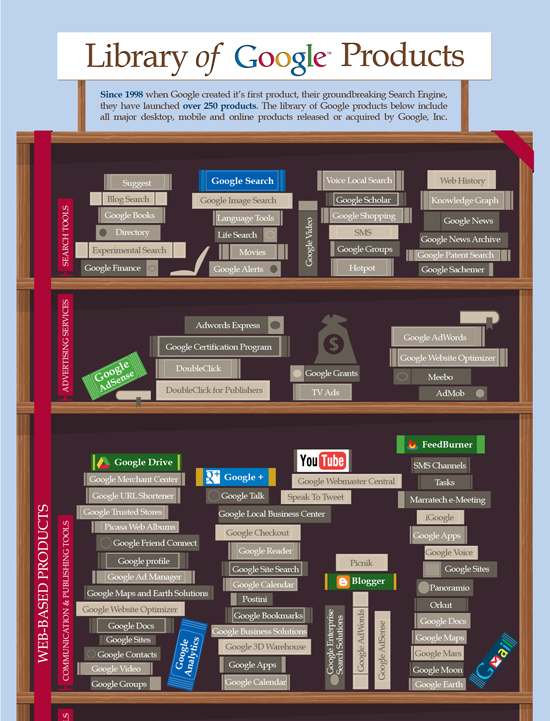




| You are subscribed to email updates from Social | Business 2 Community To stop receiving these emails, you may unsubscribe now. | Email delivery powered by Google |
| Google Inc., 20 West Kinzie, Chicago IL USA 60610 | |

Niciun comentariu:
Trimiteți un comentariu